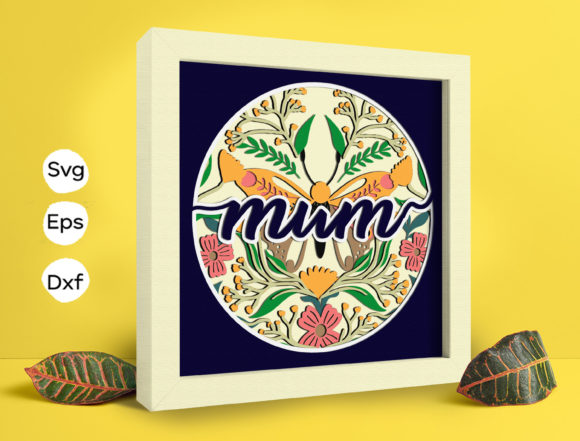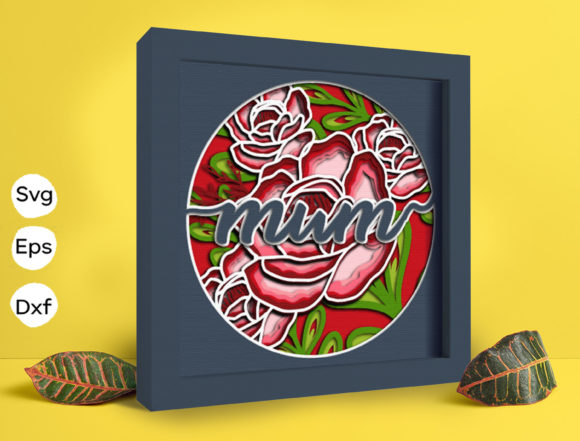
Rose Mum Papercut Light Box: A Creative Tool for Digital and Physical Artistry
The Rose Mum Papercut Light Box is a versatile tool that bridges the gap between digital design and physical art. It allows creators to visualize intricate papercut designs in real-time, making it an essential asset for artists, educators, and hobbyists alike. This device supports a wide range of file formats, ensuring compatibility with various design software such as Cricut Design Space, Silhouette Designer Edition, DXF files for Silhouette Studio, EPS for Adobe Illustrator, Make the Cut, Corel Draw, and Inkscape. Understanding how to use this light box effectively can enhance your creative workflow and improve the precision of your papercut projects.
One of the primary benefits of the Rose Mum Papercut Light Box is its ability to provide a clear, even light source that illuminates the design on the board. This feature is particularly useful when working with delicate or detailed patterns, as it helps you see every line and curve with clarity. Whether you're creating holiday decorations, custom greeting cards, or intricate wall art, the light box ensures that your final product is accurate and visually appealing.
Understanding File Formats and Software Compatibility
To fully leverage the capabilities of the Rose Mum Papercut Light Box, it's important to understand the different file formats and design software that work best with this tool. Each program has its own strengths and limitations, so choosing the right one depends on your specific needs and skill level.
Cricut Design Space is a user-friendly platform that offers a vast library of pre-designed templates. It supports SVG (Scalable Vector Graphics) files, which are ideal for papercut projects due to their scalability without loss of quality. If you're using a Cricut machine, this software provides a seamless experience for designing and cutting your patterns.
Silhouette Designer Edition and Silhouette Studio both support DXF (Drawing Exchange Format) files, which are commonly used in professional design workflows. These programs offer advanced tools for editing and customizing your designs, making them suitable for more complex papercut projects. The ability to export and import DXF files ensures that your designs can be used across different platforms and machines.
EPS (Encapsulated PostScript) files are widely used in Adobe Illustrator, a powerful vector graphics editor. This format is excellent for maintaining high-quality images and text, making it ideal for detailed papercut work. If you're working with professional-grade design elements, Adobe Illustrator provides the precision and flexibility needed to create stunning results.
Make the Cut, Corel Draw, and Inkscape are other popular design tools that support various file formats. Make the Cut is known for its intuitive interface and ease of use, while Corel Draw offers advanced vector illustration features. Inkscape, an open-source alternative, provides robust tools for creating and editing vector graphics. All of these programs can be used in conjunction with the Rose Mum Papercut Light Box to bring your designs to life.
Practical Applications of the Rose Mum Papercut Light Box
The Rose Mum Papercut Light Box is not limited to artistic applications; it also has practical uses in education, business, and home settings. Educators can use this tool to teach students about design principles, geometry, and visual arts. By projecting a design onto the light box, students can better understand how to create and refine their papercut patterns.
In a business context, the light box can be used to develop custom packaging, promotional materials, and branding elements. For example, a small business owner might use the light box to create unique gift tags, banners, or signage that reflect their brand identity. The ability to preview designs before cutting ensures that the final product meets the desired specifications.
At home, the Rose Mum Papercut Light Box can be a valuable tool for DIY enthusiasts and crafters. Whether you're making personalized wedding invitations, decorative wall art, or seasonal decorations, the light box helps you achieve precise results. Its portability and ease of use make it a convenient addition to any crafting space.
Considerations for Using the Light Box Effectively
Before using the Rose Mum Papercut Light Box, it's important to ensure that your machine program supports the file formats you plan to use. Some programs may require additional steps to convert or adjust files, so it's wise to check compatibility beforehand. Additionally, understanding how to set up and operate the light box correctly can help you avoid common pitfalls and maximize its effectiveness.
Another consideration is the type of material you'll be working with. Different papers and cardstocks have varying levels of opacity and texture, which can affect how well the design is visible through the light box. Experimenting with different materials can help you find the best combination for your specific project.
Finally, taking the time to organize your files and maintain your equipment will contribute to a smoother and more efficient workflow. Keeping your design files well-structured and backed up ensures that you can easily access and reuse them for future projects.
By integrating the Rose Mum Papercut Light Box into your creative process, you can unlock new possibilities for design and expression. Whether you're a seasoned artist or a beginner exploring the world of papercutting, this tool offers a practical and effective way to bring your ideas to life. With the right software and file formats, the light box becomes an invaluable part of your artistic toolkit.