Corporate Flyer Design: A Smart Choice for Professional Communication
When it comes to promoting a business, product, or service, a well-designed flyer can make all the difference. Corporate flyer design is more than just a visual element—it's a strategic tool that communicates professionalism, clarity, and brand identity. Whether you're launching a new initiative, announcing a seasonal event, or showcasing your services, a corporate flyer serves as a powerful marketing asset. With the right design, you can capture attention, convey key messages, and drive engagement effectively.
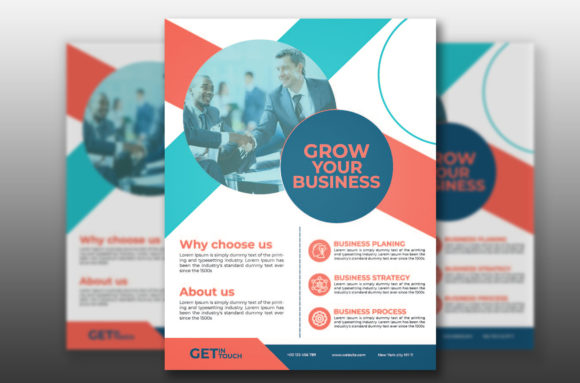
For businesses looking to create an impactful flyer quickly, corporate minimalist flyer templates offer a practical solution. These templates are designed with clean layouts, professional aesthetics, and functional features that make them ideal for a wide range of industries. From small startups to established corporations, these designs provide a flexible foundation that can be tailored to fit any brand's unique needs.
Why Corporate Flyer Design Matters
Corporate flyer design isn't just about making something look good—it's about ensuring that your message is clear, consistent, and compelling. A poorly designed flyer can confuse your audience, dilute your brand message, or fail to communicate your value proposition. On the other hand, a well-crafted flyer can reinforce your brand identity, build trust, and encourage action.
One of the main benefits of using a corporate flyer template is the time and effort saved in the design process. Instead of starting from scratch, you can leverage pre-designed elements that are already optimized for print and digital use. This allows you to focus on customizing content, selecting the right visuals, and ensuring that the final design aligns with your brand guidelines.
Common Mistakes in Corporate Flyer Design
Despite the advantages of using templates, many users make mistakes that can undermine the effectiveness of their flyers. One common error is choosing a design that doesn't match the brand's style or messaging. A flyer that looks too casual or inconsistent with your brand can confuse customers and weaken your professional image.
Another mistake is neglecting technical details like file format, resolution, and bleed settings. A flyer that isn't properly prepared for print can result in poor quality, misaligned text, or unexpected cropping. For example, if a design is created at 72 DPI instead of the recommended 300 DPI, the printed version may appear blurry or pixelated.
Some users also overlook the importance of typography and color selection. Using too many fonts or mismatched colors can make a flyer look cluttered and unprofessional. It's essential to stick to a limited color palette and choose fonts that are easy to read and appropriate for your industry.
Key Considerations Before Choosing a Corporate Flyer Template
Before purchasing or downloading a corporate flyer template, there are several factors to consider. First, check the file format and compatibility. Most professional templates come in Adobe Illustrator (AI) and PDF formats, which are widely used in the design and printing industries. Make sure the files are well-organized and include layers for easy editing.
Also, verify that the template includes all necessary elements such as bleed, trim marks, and safe zones. These features ensure that your design prints correctly without unwanted white space or cut-off text. Additionally, check if the template provides multiple color variants and whether it supports CMYK color mode, which is standard for print projects.
Another important consideration is the availability of free fonts and images. While some templates include these resources, others may require you to source them separately. If images are not included, make sure you have access to high-quality stock photos or illustrations that match your brand's tone and style.
How to Avoid Common Pitfalls
To avoid common mistakes, start by defining your goals and target audience. What message do you want to convey? Who is your intended reader? Answering these questions will help you select a template that aligns with your objectives and resonates with your audience.
Take the time to review the template's features and specifications. Look for a design that offers flexibility, scalability, and ease of customization. If you're not familiar with design software, choose a template that is user-friendly and comes with clear instructions or support.
Finally, test your design before finalizing it. Print a sample to check for alignment, color accuracy, and overall quality. If possible, get feedback from colleagues or clients to ensure that the flyer meets your expectations and effectively communicates your message.
Maximizing the Value of Your Corporate Flyer
A well-designed corporate flyer can be a valuable asset for your business, but its success depends on how well it's executed. By avoiding common mistakes and focusing on quality, consistency, and clarity, you can create a flyer that stands out and delivers results.
Whether you're using a pre-designed template or working with a designer, remember that the goal is to communicate your message effectively. Take the time to review every detail, from the layout and typography to the images and color scheme. With the right approach, your corporate flyer can become a powerful tool for attracting customers, building brand awareness, and driving growth.
If you need assistance with your design or have specific requirements, don't hesitate to reach out to the template provider. Many designers offer lifetime support, ensuring that you can get help whenever you need it. Ultimately, a great flyer is not just about aesthetics—it's about creating a lasting impression that reflects your brand's values and vision.